Quick answer
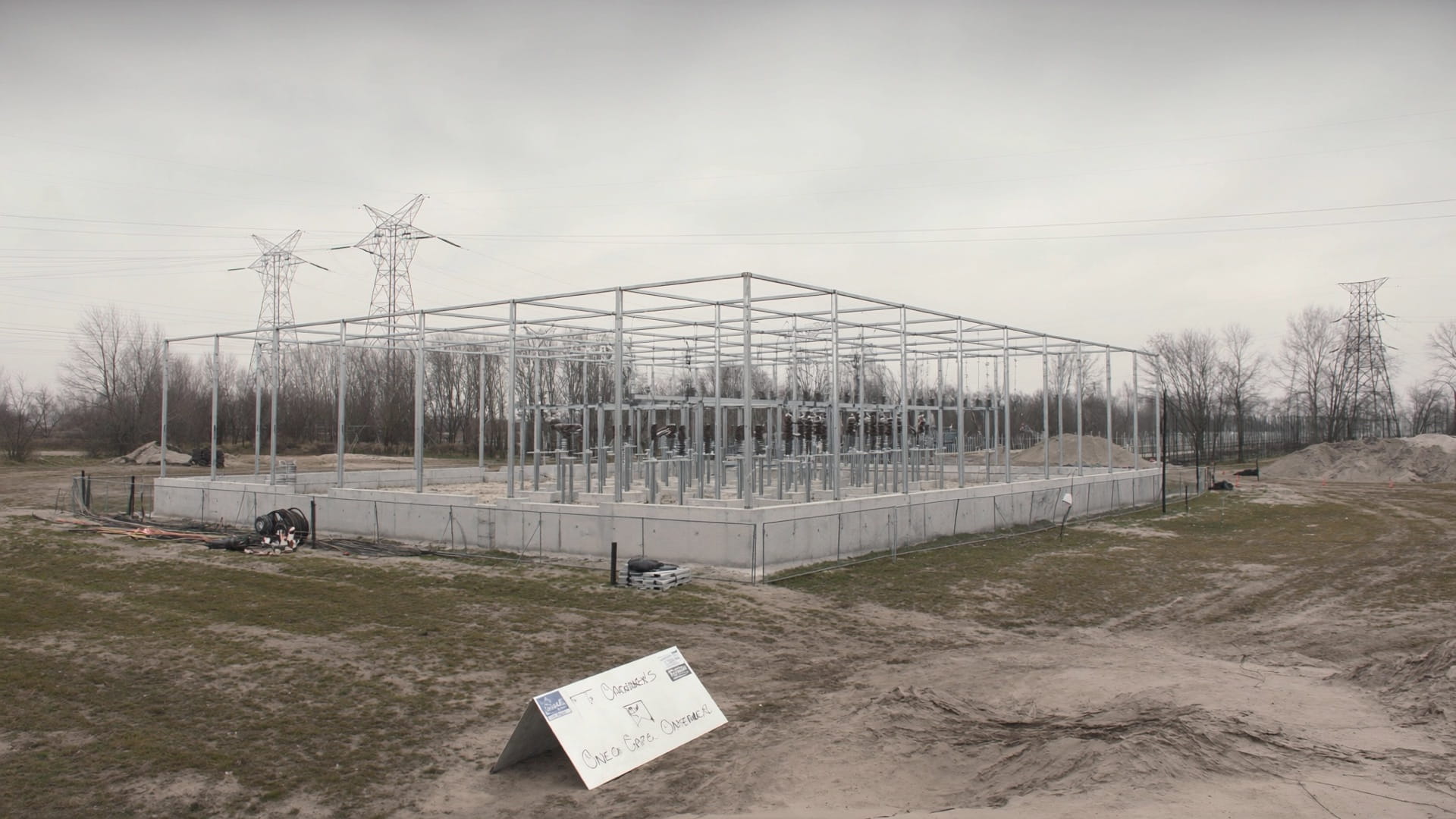
Energy projects struggle with grid connection engineering when the interconnection study, protection coordination, and power quality work are sequenced late, scoped separately, or modelled against the wrong grid code. The most common delay drivers are an undersized or poorly located point of connection, unexpected network reinforcement from the system impact study, protection and fault ride-through gaps found at commissioning, and harmonic or reactive-power non-compliance against the connection offer. Industrial load grid integration adds motor-start, flicker, and harmonic constraints that renewable-only studies often miss. Renewable Energy & Drives reduces that risk by running interconnection, protection, and power quality as one shared network model before equipment is locked.
Energy projects rarely miss their schedule because the transformers arrive late. They miss it at the grid connection: the studies, the protection design, and the compliance evidence the network operator needs before energisation. This article explains why projects struggle with grid connection engineering, what specifically causes delays in industrial load grid integration, and how to sequence the work so the connection stops being the longest uncontrolled risk on the programme.
What causes delays in industrial load grid integration engineering?
Industrial load grid integration is delayed most often by four engineering gaps: a point of connection chosen without a proper load-flow and fault-level screen, motor-start and flicker studies run after switchgear is ordered, harmonic limits discovered late against the utility or DNO allocation, and protection settings that do not coordinate with existing plant relays.
Unlike a solar or wind export connection, an industrial site pulls large, discontinuous loads. Soft starters, VFDs, and across-the-line motors create inrush, voltage dip, and harmonic distortion at the point of common coupling. If those behaviours are not modelled early, the connection offer looks fine on paper and fails in the compliance pack — which is when the schedule actually breaks.
| Delay driver | What goes wrong | When it surfaces |
|---|---|---|
| Wrong point of connection | Capacity, voltage level, or fault headroom cannot host the load | System impact / connection study |
| Late motor-start / flicker study | Voltage dip exceeds limits; starter or SVC/STATCOM redesign needed | Pre-energisation or witness testing |
| Deferred harmonic analysis | Distortion breaches allocated limits; filters added late | Compliance submission |
| Uncoordinated protection | Mis-trips or uncleared faults against existing industrial relays | Commissioning |
| Split consultant scopes | Studies disagree on the same network model | Every re-submission cycle |
Why do energy projects struggle with grid connection engineering?
Projects struggle because grid connection engineering is treated as paperwork instead of a multi-workstream design problem. Land, EPC, and equipment decisions lock in first. The interconnection study, protection coordination, reactive power design, and power quality analysis arrive later — often from different firms — and only then does the team learn the network needs reinforcement, the inverter or drive package cannot meet ride-through rules, or the harmonic profile needs filtering that was never budgeted.
The standards make that worse when they are applied late. In the US, FERC interconnection processes and IEEE 1547 / IEEE 2800 set the behaviour the plant must prove. In the UK, Engineering Recommendation G99 (and the Grid Code for transmission) governs generation and storage, while industrial connections still have to clear DNO power quality and protection expectations. Modelling against the wrong code, or against a generic template, produces evidence the operator will not accept.
Storage and hybrid sites add a further wrinkle: a BESS both imports and exports, so a design that passes in one direction can fail in the other. Industrial sites with on-site generation or private wire face the same bidirectional complexity. That is why Renewable Energy & Drives runs interconnection, protection, and power quality against one shared network model rather than as disconnected reports.
How do developers manage grid connection engineering without losing months?
The projects that stay on schedule treat connection engineering as a staged workflow:
- Feasibility screen — hosting capacity, fault level, likely voltage level, and a first-pass load or export envelope before land and equipment are fixed.
- Formal interconnection / connection application — with study assumptions that match the real plant, not a placeholder MW figure.
- System impact and facilities studies — including reinforcement visibility early enough to change commercial decisions.
- Detailed electrical design — protection, reactive power, harmonics, and control modes aligned to the connection offer.
- Compliance evidence and commissioning — factory and site tests that prove the as-built plant matches what was studied.
Where industrial loads are involved, motor-start, flicker, and drive harmonics belong in steps 1–4, not as a commissioning surprise. Where renewables or storage are involved, IBR compliance and bidirectional fault behaviour belong in the same sequence.
What is the cost of getting this wrong?
Late connection engineering does not only add calendar time. It forces re-studies, equipment changes, and reinforcement that should have been visible at feasibility. It also burns queue position in markets where the interconnection process is slow. The connection itself is often outside the developer's full control — but the self-inflicted portion (wrong assumptions, split scopes, deferred power quality) is controllable.
Renewable Energy & Drives supports industrial, renewable, and storage clients by consolidating the grid connection engineering package: interconnection and grid impact studies, protection coordination, reactive power and voltage support, and harmonic / power quality analysis. The aim is simple — surface the real connection constraints early, keep the compliance evidence consistent, and stop energisation from becoming the place the project discovers its electrical design.
If your programme is already seeing connection risk, the highest-leverage next step is usually a gap review of the current study pack against the governing grid code and the as-designed load or generation profile — before the next utility or DNO submission locks another delay into the schedule.
Frequently asked questions
What causes delays in industrial load grid integration engineering?
The usual causes are a point of connection chosen without a proper load-flow and fault-level screen, motor-start and flicker studies deferred until after switchgear is ordered, harmonic limits discovered late against the DNO or utility allocation, and protection settings that do not coordinate with existing industrial relays. Industrial loads also change the network differently from generation: large motors and drives raise inrush, voltage dip, and harmonic distortion at the point of common coupling, so a study package built only for export will miss the constraints that hold up energisation.
Why do energy projects struggle with grid connection engineering?
Because the connection is a multi-workstream engineering problem treated as a single administrative step. Developers often secure land and equipment first, then discover the network cannot host the project without reinforcement, or that G99, IEEE 1547/2800, or the utility interconnection requirements demand control and protection behaviour the plant was not designed for. Gaps between separately scoped consultants compound the delay when the interconnection study, protection report, and harmonic study disagree on the same network assumptions.
How early should grid connection engineering start?
At feasibility, before land and major equipment are committed. A short hosting-capacity and fault-level screen, plus a first-pass load profile for industrial sites or an export/import envelope for storage and renewables, is enough to kill bad sites early and size the connection correctly. Waiting until the formal interconnection application is accepted is usually too late to change the commercial envelope without schedule pain.
Do industrial and renewable connections fail for the same reasons?
They share queue, reinforcement, and late-compliance failures, but the technical triggers differ. Renewables and BESS most often stall on export capacity, IBR compliance, and bidirectional fault behaviour. Industrial loads most often stall on voltage dip from motor starts, harmonic distortion from drives, flicker, and protection coordination inside an existing plant. A competent grid integration package models both the network and the on-site electrical behaviour.
Can better engineering actually shorten the connection schedule?
It cannot skip the utility or DNO queue, but it can remove self-inflicted rework. Correct connection sizing, early reinforcement visibility, one shared network model across studies, and compliance evidence assembled before factory acceptance testing prevent the late redesigns that add months. Renewable Energy & Drives treats that sequencing as part of the engineering scope, not an afterthought.
Tags
Working on a project like this?
Talk to our engineering team about your site, your grid connection or your power quality problem.
Get in touch