Quick answer
Power quality root cause analysis uses high-sampling analyzers to record voltage and current continuously at multiple points in a system, then correlates the recordings with equipment operations and failures. It replaces finger-pointing after a failure with measurement: either the suspected equipment is producing the disturbance, or the record shows what else is. That keeps repair budgets aimed at the actual cause instead of the most convenient suspect.
Key takeaways
- After a failure, blame usually lands on the newest equipment; measurement should decide, not intuition.
- High-sampling analyzers catch harmonics, transients, and sags that are invisible to monthly readings and averages.
- The investigation costs little against a single repeat failure of medium-voltage equipment, or against months of fixing the wrong thing.
When critical power equipment fails, the investigation usually starts with a verdict. Something went down, the outage cost money, and everyone on the call already knows whose equipment they suspect. Usually it is the newest thing on the network, or the most complicated one.
We have been on the receiving end of that verdict. At one site, the transformers feeding a set of our DSTATCOMs kept failing, and the customer was adamant about the cause: the DSTATCOMs were doing it. Electrical noise, switching effects, something. Their equipment, their fault, go look into it.
We did not argue. We measured. And that difference, between debating a theory and instrumenting the system, is what this post is about, because failures like this get expensive in two ways: the failure itself, and the money spent fixing the wrong thing afterward.
Why finger-pointing is the default
Blame in these situations is not malicious. It follows a pattern. Power electronics are opaque to most site teams, so a device that switches thousands of times a second makes an intuitive suspect. Correlation stands in for causation: the failures started after the new equipment arrived, so the new equipment did it. And every vendor involved has an interest in the fault being someone else's.
The trouble is that a repeated transformer failure has a long list of possible causes. Harmonics driving extra heating. Overloading. Loose connections cooking under load. Insulation aging. Voltage transients from switching elsewhere on the network. Manufacturing defects in the transformers themselves. A walk-through inspection cannot separate these. Neither can a meeting.
Meanwhile the cost of guessing wrong compounds. Replace a transformer without finding the root cause and the replacement inherits the same conditions; the failure repeats on schedule. Blame the compensation equipment wrongly and you spend on modifications that change nothing while the real cause keeps working. We wrote about the general version of this in why power quality is silently costing you. The root cause version is sharper: an unexplained repeat failure means your budget is aimed at a guess.
What high-sampling monitoring sees that people cannot
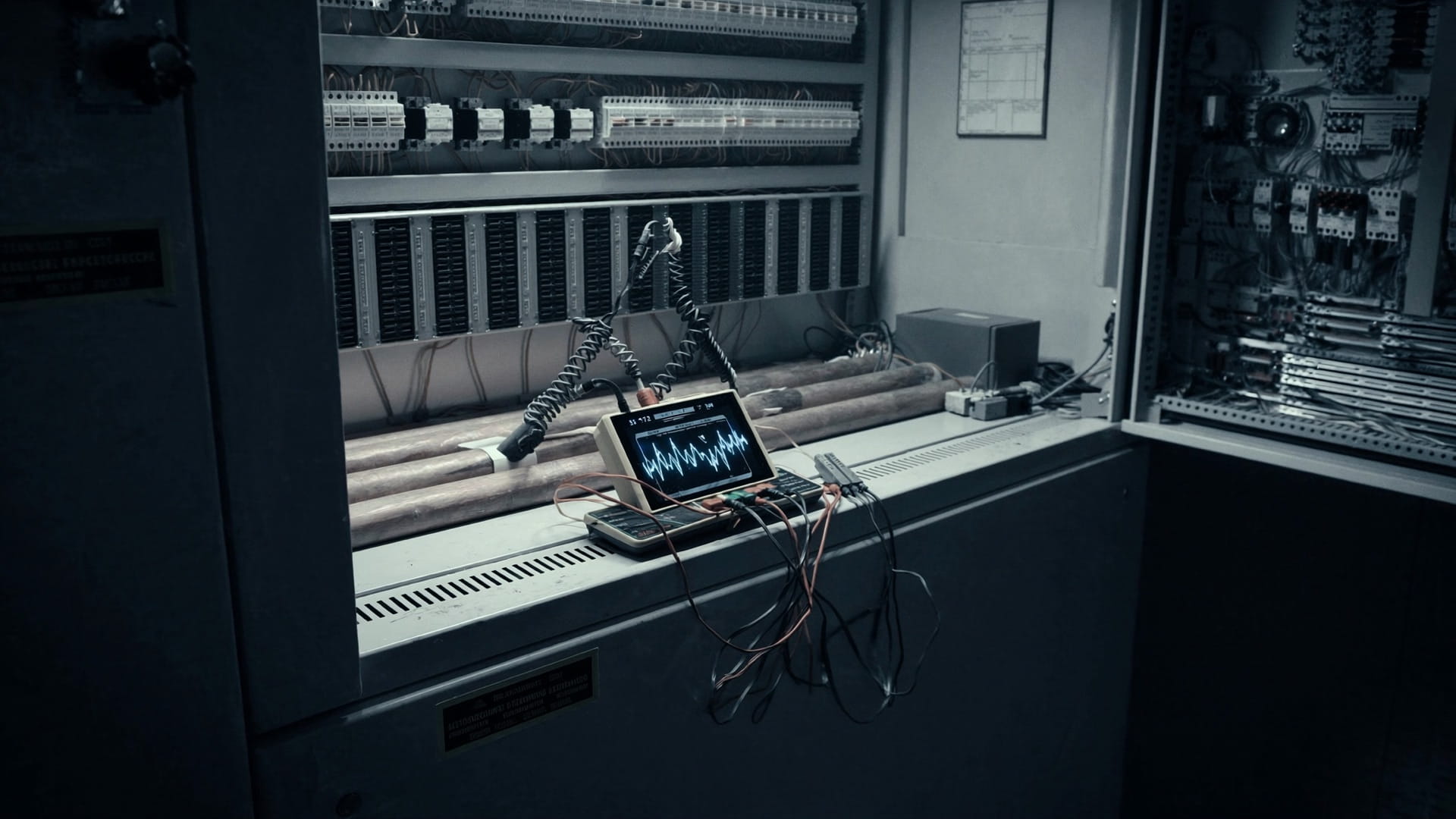
The tool that settles these disputes is the high-sampling power quality analyzer: instruments installed at the suspect points that record voltage and current continuously, in fine enough detail to catch disturbances that are over in a few thousandths of a second.
That level of detail matters because most of the plausible culprits are invisible to monthly readings and control room averages:
- Harmonic distortion, unwanted frequencies riding on the supply. It can be measured against published limits (IEEE 519, IEC 61000) and traced to its source by comparing readings at different points in the system.
- Transients, brief voltage spikes and dips caused by switching, gone before any routine reading would notice them.
- Sags, swells, and flicker, with timestamps that can be lined up against equipment operations and failures.
- Loading and imbalance patterns that reveal slow thermal stress no single reading would show.
With analyzers in place for weeks rather than hours, the investigation stops being rhetorical. Either the suspect equipment is producing the disturbance it is accused of, and the record shows it, or it is not, and the record shows what else is going on instead.
How the transformer dispute ended
At the site with the failing transformers, we installed high-sampling analyzers and monitored what was actually happening on the system.
The approach cuts both ways, which is exactly why it works. If the data had shown our DSTATCOMs injecting damaging distortion, the conversation becomes simple: you are right, here is the fix, and we do it. If the data shows nothing coming from the equipment that could explain the failures, the conversation becomes equally simple: the cause is elsewhere, here is what the measurements point to, and the budget goes there instead of into modifying equipment that was doing its job.
Either outcome beats the alternative, which is two parties trading theories while transformers keep failing. The customer gets an answer backed by waveform records instead of assurances. That is the standard we think any equipment vendor should be held to, including us. It is the same evidence-first logic we apply when deciding whether damaged hardware should be repaired or written off, as in our on-site DSTATCOM inverter rebuild.
What a root cause investigation looks like
A typical power quality root cause engagement runs in four stages:
- Frame the failure. Gather the history: what failed, how often, what changed on the network beforehand, what the trip records show. Form the candidate list.
- Instrument the system. Install high-sampling analyzers at the points that can discriminate between candidates: the suspect equipment's terminals, the failing equipment's supply, and reference points elsewhere on the network.
- Monitor long enough to catch the pattern. Intermittent problems need weeks, sometimes longer. The recording has to span the operating conditions under which failures happen, not just a convenient snapshot.
- Analyze and assign cause. Compare measurements against standards, correlate events with operations and failures, and follow the disturbance to its source. The output is a finding you can act on, and, when disputes have hardened, evidence solid enough to support warranty and liability conversations.
The cost of an investigation like this is small against a single repeat failure of medium-voltage equipment, and smaller still against months of modifications aimed at the wrong equipment. Persistent harmonic problems often end in a filter design, which we covered in Harmonic Filters 101; voltage sag problems often end in compensation, covered in our DSTATCOM voltage sag post. But the fix only lands if the diagnosis came first.
The same method, whatever failed
This story happens to be about transformers, but the method is not specific to them. A power system root cause analysis follows the same four stages whether the equipment failing is a transformer, an inverter, a UPS, or the wider network. Transformer root cause analysis leans on the thermal and harmonic record. Root cause analysis for power electronics, inverters included, leans on switching events and transients captured at the terminals. Either way the logic holds: instrument the system, record long enough to catch the pattern, and let the measurements assign the cause.
Equipment failing and nobody can say why? Send us the fault history and we will propose a root cause study. Email sales@severnde.co.uk or call +44 116 279 6131.
Frequently asked questions
What causes transformers to keep failing?
Repeat failures usually trace to a persistent condition rather than bad luck: harmonic-driven heating, sustained overloading, loose connections, voltage transients, insulation degradation, or a defect common to the units. Because the candidate list is long, measurement is the only reliable way to identify which condition is present.
How does power quality monitoring find a root cause?
High-sampling analyzers record voltage and current waveforms continuously at multiple points in the system. Analysts compare the records against standards such as IEEE 519, correlate disturbances with equipment operations and failure timing, and trace disturbances to their origin. The result either implicates a source or rules it out with data.
How long does monitoring need to run?
Long enough to capture the conditions under which the problem occurs. For frequent disturbances, days can be sufficient. Intermittent failures typically need several weeks so the record spans the full range of loading, switching, and seasonal conditions.
Tags
Working on a project like this?
Talk to our engineering team about your site, your grid connection or your power quality problem.
Get in touch